Newsletter Subscribe
Enter your email address below and subscribe to our newsletter


 Bysonu
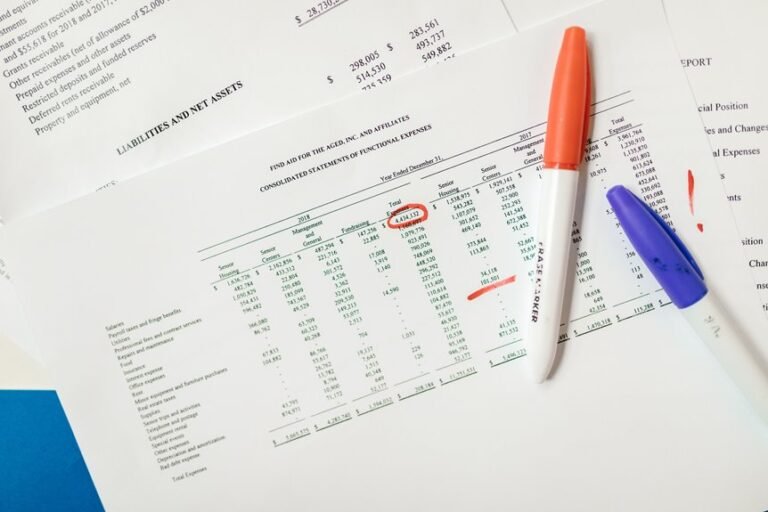
A distributed telecom analysis sheet for the listed numbers consolidates dispersed network data into a structured framework. It details data sources, metrics, and aggregation methods to enable objective performance assessment. The approach emphasizes routing patterns, anomaly detection, and signals of fraud or bottlenecks, while enforcing privacy, traceability, and accountability. This framing guides data collection, validation, and repeatable auditing, establishing clear objectives and verifiable calculations that support transparent, data-driven decisions across stakeholders—yet several practical gaps remain to be resolved.
A distributed telecom analysis sheet is a structured framework used to collect, organize, and interpret performance data from dispersed telecom components and networks.
It delineates data sources, metrics, and aggregation methods, enabling objective assessment.
The approach foregrounds telecom ethics and data privacy, ensuring compliance, traceability, and accountability while maintaining operational transparency for stakeholders seeking freedom through informed, responsible decision-making.
In analyzing traffic data, the focus shifts from the general framework of a distributed telecom analysis sheet to concrete identification and interpretation of specific phone numbers within call records and signaling data. The reader assesses patterns tied to 3464268887, 8775282330, and 8666235061, emphasizing analysis of carrier routing and anomaly detection while preserving methodological precision and a freedom-oriented investigative stance.
Key metrics for fraud and bottleneck detection in call patterns focus on quantifiable indicators that reveal anomalous behavior and capacity constraints.
The analysis emphasizes deviations in call volume, call duration dispersion, and abnormal peak-to-average ratios.
Key signals include rapid surcharge spikes and unusual origin-destination pairings.
Fraud detection and bottleneck analysis converge on data-driven thresholds, enabling proactive anomaly flagging and resource optimization.
Practical steps to build and use an analysis sheet proceed from data collection through validation to actionable insight, ensuring each phase supports repeatable auditing and transparent decision-making. The piece describes a disciplined methodology for constructing a reusable framework: define objectives, gather verifiable data, apply consistent calculations, verify results, and document assumptions. Analysis remains objective, accessible, and adaptable, enabling freedom through structured, auditable decision processes.
Numbers are anonymized via privacy masking and data minimization, removing or obfuscating identifying digits before analysis; behavior and patterns remain analyzable without exposing full identifiers, preserving privacy while enabling insights in a controlled, transparent process.
VoIP anomaly detection is not guaranteed; the sheet can flag patterns consistent with VoIP anomalies if configured with relevant metrics while ensuring privacy compliance. Methodically, it evaluates call quality, signaling irregularities, and traffic deviations for freedom-minded scrutiny.
Privacy laws govern call data, varying by legal jurisdictions. Data minimization and anonymity compliance shape practices, guiding ethical retention and access. The analysis remains analytical, methodical, precise, painting a compliant future while respecting freedom and privacy nuances.
Updates cadence should be quarterly, with triggers for significant policy changes or data quality issues. The sheet’s maintenance demonstrates disciplined data governance, ensuring traceability, accountability, and alignment with broader freedom-seeking analytical standards.
Tooling integration exists for the analysis sheet, enabling seamless data imports and export flows; data governance principles guide selection, configuration, and auditing. The approach remains methodical, ensuring flexibility while preserving traceability and accountability across integrated environments.
A distributed telecom analysis sheet offers a disciplined framework for aggregating call data across sources, validating inputs, and tracking routing patterns to reveal anomalies. By tying metrics to verifiable calculations, it supports transparent audits and accountable decision-making. An interesting statistic to add depth is the variance in inter-call intervals for the five numbers, which, if elevated, may indicate routing instability or suspect activity beyond baseline peer-group norms. This quantitative touch enhances detection without compromising privacy.