
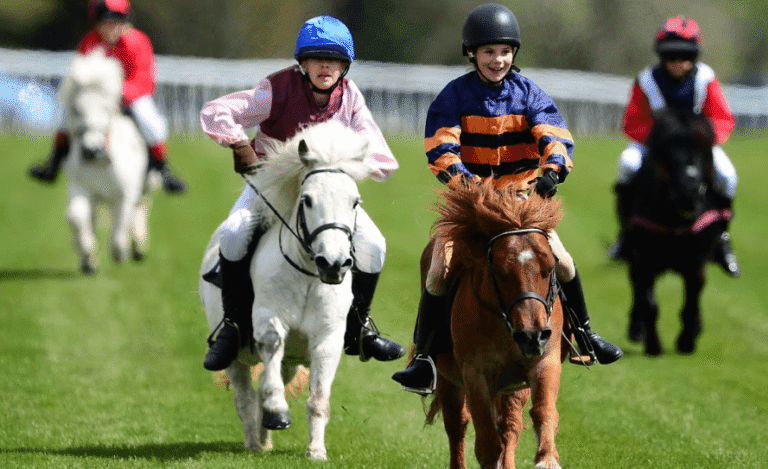
Jockeys are often overlooked in discussions about horse racing success, yet their contribution is multifaceted. They combine physical prowess with mental agility, creating a dynamic partnership with their horses. This synergy is essential for navigating the complexities of a race. Timing and strategic decisions further amplify their impact on performance. Understanding these elements reveals the depth of a jockey’s role, prompting a closer examination of how their expertise can tilt the scales in favor of victory.
The Skill Set of a Jockey
While many may perceive jockeying as merely riding a horse at high speeds, the reality is that the skill set of a jockey encompasses a complex blend of physical prowess, mental acuity, and strategic thinking.
Mastery of balance techniques and rigorous physical conditioning are essential for maintaining control and optimizing performance, allowing jockeys to navigate the intricacies of racing with both confidence and finesse.
Building a Strong Partnership With the Horse
A successful jockey does not merely rely on individual skill; the partnership with the horse plays a pivotal role in achieving racing success.
Effective horse communication fosters a deep bond, allowing for intuitive responses during races. Through consistent interaction and positive reinforcement, trust development is essential, enabling the jockey and horse to work harmoniously.
This synergy ultimately enhances performance on the racetrack.
The Importance of Strategy and Timing
Strategy and timing serve as the backbone of a jockey’s success, influencing every aspect of race execution.
Effective race tactics and precise pacing strategies determine not only the positioning of the horse but also its energy conservation throughout the race.
A well-timed maneuver can capitalize on competitors’ weaknesses, showcasing the jockey’s ability to adapt swiftly, ultimately leading to victory and freedom on the racetrack.
Jockeys’ Influence on Race Outcomes
Jockeys play a pivotal role in shaping the outcomes of horse races, as their decisions and actions directly impact not only their horse’s performance but also the dynamics of the competition.
Jockey fitness ensures optimal control while race psychology enables them to read competitors and adapt strategies.
This combination of physical endurance and mental acuity significantly influences race trajectories, ultimately determining success on the track.
Conclusion
In conclusion, the multifaceted role of jockeys extends far beyond mere riding; their expertise can significantly alter the trajectory of a race. Studies reveal that jockeys can account for up to 10% of a horse’s performance, underscoring their critical impact on racing success. This statistic highlights the importance of their skill, strategy, and bond with their mounts, ultimately shaping not only the outcome of individual races but also the broader landscape of competitive horse racing.