
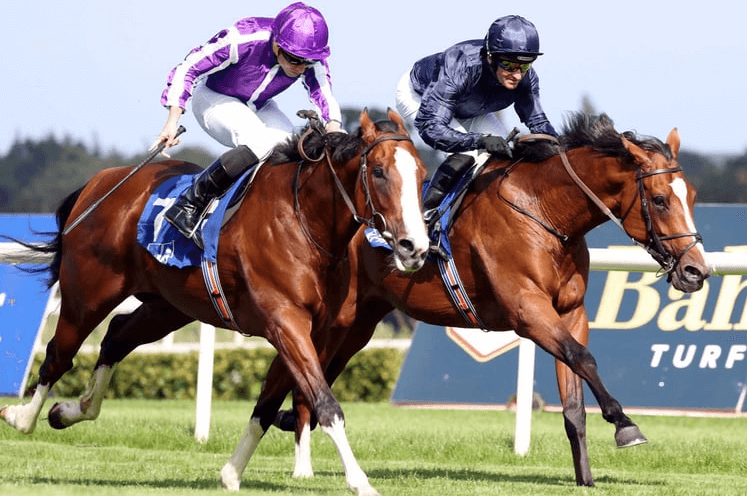
Jockeys play a crucial role in horse racing, acting as the link between horse and rider. Their expertise directly impacts a horse’s performance on the track. Understanding race tactics and maintaining physical fitness are essential for success. However, the pressures and demands of the sport present significant challenges. Exploring these dynamics reveals insights into how jockeys navigate their responsibilities and the intricate relationship they share with their equine partners. What factors truly define their effectiveness in this high-stakes arena?
The Importance of Jockeys in Horse Racing
Although many factors contribute to the outcome of a horse race, the role of the jockey is paramount in determining a horse’s performance on the track.
Jockey motivation influences their decisions and strategies, while race tactics are crucial for navigating competition.
A skilled jockey not only guides the horse but also adapts to dynamic conditions, showcasing the intricate partnership essential for success in horse racing.
Training and Preparation for Jockeys
Effective training and preparation are critical components in the career of a jockey, as they directly influence performance on the racetrack.
Jockey fitness is paramount, requiring strength, flexibility, and endurance. Additionally, mastering race tactics is essential, enabling jockeys to make split-second decisions that can determine race outcomes.
This rigorous preparation not only enhances individual performance but also fosters a deeper connection with the horse.
See also: The Role of Jockeys in Horse Racing Success
Responsibilities and Strategies of a Jockey
While the thrill of horse racing captivates audiences, the responsibilities and strategies of a jockey are often overlooked yet crucial to the sport’s dynamics.
Jockeys must master effective jockey communication with their horses, conveying cues that guide performance.
Additionally, they develop race strategies, analyzing opponents and track conditions to maximize their chances of victory, balancing instinct and training to achieve optimal outcomes.
Challenges Faced by Jockeys in the Sport
As they navigate the high-stakes world of horse racing, jockeys encounter a myriad of challenges that test their skills and resilience.
Injury risks loom large, with falls and collisions posing constant threats.
Additionally, weight management is critical; jockeys often endure strict diets and rigorous training to maintain optimal weight, balancing physical demands with the need for peak performance in a competitive environment.
Conclusion
In conclusion, while some may argue that a horse’s inherent ability overshadows a jockey’s influence, the reality is that the synergy between horse and rider is crucial for success. A skilled jockey not only enhances a horse’s performance but also adapts strategies in real-time, navigating the complexities of each race. Understanding the multifaceted role of jockeys illuminates their indispensable contribution to the sport, underscoring that victory often hinges on this dynamic partnership.